
Is Sleep Apnea a Disability? Understanding How It Affects Your Health and Benefits

Sleep apnea is one of the most common sleep disorders affecting millions of people worldwide. For some, it is a mild inconvenience that can be managed with lifestyle changes or a continuous positive airway pressure (CPAP) machine. For others, severe sleep apnea becomes a life-altering condition that impacts their ability to work, maintain relationships, and preserve overall health. This naturally raises an important question: is sleep apnea a disability?
In this article, we will explore how different types of sleep apnea are classified, the challenges sleep apnea sufferers face, and when the condition may qualify for disability benefits under programs such as Social Security Disability Insurance (SSDI) and Supplemental Security Income (SSI).
What Exactly Is Sleep Apnea?
Sleep apnea is a disorder where breathing repeatedly stops and starts during sleep. These pauses in breathing may last a few seconds or longer and can occur many times throughout the night, leading to poor sleep quality and excessive daytime sleepiness.
Types of Sleep Apnea
- Obstructive Sleep Apnea (OSA): The most common form, caused by the relaxation of throat muscles leading to airway blockage.
- Central Sleep Apnea (CSA): Occurs when the brain fails to send proper signals to the muscles that control breathing.
- Complex Sleep Apnea Syndrome: A combination of both obstructive and central sleep apnea, also known as treatment-emergent central sleep apnea.
Each type may range from mild to severe, depending on the apnea hypopnea index (AHI) that measures the number of breathing disruptions per hour of sleep.
Common Symptoms of Sleep Apnea
Recognizing the symptoms of sleep apnea is essential because untreated cases increase the risk of serious complications. Symptoms include: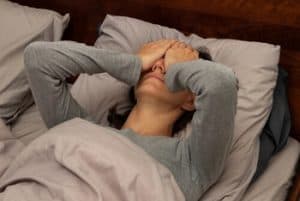
- Loud snoring that disrupts partners or family members
- Episodes where breathing stops for a few seconds
- Excessive daytime sleepiness or chronic fatigue
- Morning headaches and poor concentration
- Dry mouth or sore throat after waking
- Irritability, anxiety, or depression due to poor sleep quality
Severe obstructive sleep apnea is especially concerning because it may lead to chronic heart failure, high blood pressure, chronic pulmonary hypertension, or even chronic respiratory failure if left untreated.
How Sleep Apnea Impacts Daily Life
Sleep apnea sufferers often experience more than just interrupted sleep. The disorder can significantly reduce work performance, increase the risk of accidents, and contribute to mental health issues such as anxiety, depression, and cognitive decline. Poor sleep quality and daytime sleepiness affect relationships and daily functioning, making it more than just a nighttime problem.
When symptoms reach the level of severe impairment, many people begin to question whether sleep apnea can be considered a disability.
Is Sleep Apnea a Disability in the Eyes of the Law?
The simple answer is that sleep apnea by itself is not always automatically recognized as a disability. However, under certain circumstances, it can be considered disabling when it prevents a person from engaging in substantial gainful activity.
The Social Security Administration (SSA) does not have a specific listing for sleep apnea disorder in its “Blue Book” of medical conditions. Instead, claims are evaluated under related categories such as breathing disorders, heart disease, or mental disorders. For instance:
- Severe obstructive sleep apnea that leads to chronic pulmonary hypertension or chronic respiratory failure may qualify under breathing disorders.
- Sleep apnea that contributes to chronic heart failure or high blood pressure may be considered under cardiovascular conditions.
- Excessive daytime sleepiness causing neurocognitive disorders or other mental issues may fall under neurological or psychiatric listings.
This means that whether sleep apnea is a disability depends largely on the severity of symptoms, medical evidence, and how it impacts daily living.
Disability Criteria for Sleep Apnea
To potentially qualify for disability benefits, you must show that your sleep apnea causes a severe impairment. This typically requires:
- Medical Records: Detailed documentation of diagnosis, treatment, and the effects of the condition.
- Medical Evidence: Results from sleep studies, such as an apnea hypopnea index that shows moderate obstructive sleep apnea or severe sleep apnea.
- Medical History: Information on related health conditions such as chronic fatigue, high blood pressure, or heart disease.
- Residual Functional Capacity (RFC): An evaluation of what you can still do despite your condition. For example, if daytime sleepiness prevents you from staying awake during a work shift, this may strengthen your claim.
The SSA will also consider whether the sleep apnea disorder contributes to mental health issues, such as depression or cognitive impairment, which may further limit your ability to work.
Applying for Disability Benefits with Sleep Apnea
When applying for disability compensation, you may pursue different types of benefits:
- Social Security Disability Insurance (SSDI): For individuals who have worked long enough and paid Social Security taxes.
- Supplemental Security Income (SSI): For individuals with limited income and resources, regardless of work history.
- VA Disability Benefits: Veterans diagnosed with obstructive sleep apnea may qualify for disability ratings based on the severity of their condition.
Steps to Strengthen a Sleep Apnea Claim
- Consult a Sleep Specialist: A proper diagnosis and continuous positive airway pressure (CPAP) trial are usually required.
- Maintain Medical Evidence: Keep records of sleep studies, CPAP prescriptions, and other treatments.
- Show Functional Limitations: Provide examples of how poor sleep quality, excessive daytime sleepiness, or mental health issues affect your ability to perform daily tasks or work.
- Include Related Conditions: If sleep apnea contributes to chronic heart failure, obesity, or mental disorders, note these conditions in your claim.
- Seek Legal or Professional Help: Disability attorneys or advocates can guide you through the application process.
CPAP Machines and Other Treatments
Many sleep apnea sufferers improve with a CPAP machine, which keeps airways open by delivering continuous positive airway pressure during sleep. However, not all individuals respond well to CPAP therapy. Some experience discomfort, mask intolerance, or ongoing symptoms despite treatment.
In such cases, other treatments may be considered, such as weight loss, surgery to address airway blockage, or alternative devices. If symptoms persist despite treatment, your chances of being considered for disability benefits may improve.
Why Not Everyone with Sleep Apnea Qualifies for Benefits
It is important to note that mild or moderate obstructive sleep apnea, particularly when well-managed with CPAP therapy, is unlikely to meet disability criteria. The SSA typically looks for evidence of severe impairment and serious complications.
For example, if your sleep apnea is controlled, allows for healthy weight maintenance, and does not cause daytime sleepiness or chronic fatigue, you will not likely be considered disabled. The condition must significantly interfere with your ability to perform work at a level considered substantial gainful activity.
The Role of Associated Health Conditions
Often, it is not just the sleep apnea disorder itself but its impact on other health conditions that may determine eligibility for benefits. These conditions may include:
- Heart disease and high blood pressure
- Chronic pulmonary hypertension
- Chronic heart failure
- Obesity and weight gain
- Neurocognitive disorders or mental issues caused by poor sleep quality
By showing how sleep apnea worsens or interacts with these conditions, you can build a stronger disability claim.
VA Disability Benefits for Sleep Apnea
Veterans may be eligible for disability compensation if they develop sleep apnea related to their service. The VA disability benefits system assigns ratings based on severity:
- 0 percent rating if diagnosed but not requiring treatment
- 30 percent rating if symptoms such as persistent daytime sleepiness are present
- 50 percent rating if a CPAP machine is prescribed
- 100 percent rating if severe impairment exists, such as chronic respiratory failure
These ratings affect the amount of compensation a veteran may receive.
The Importance of Proper Documentation
 Ultimately, whether you are applying for SSDI benefits, SSI benefits, or VA disability benefits, success depends heavily on documentation. Strong claims include:
- Sleep study results
- Evidence of CPAP or other treatments
- Medical records linking sleep apnea to complications
- Statements from doctors and sleep specialists
- Personal accounts of daily challenges
The more comprehensive your medical evidence and medical history, the higher the chance of being awarded benefits.
Final Thoughts
So, is sleep apnea a disability? The answer depends on severity, medical evidence, and how much it interferes with daily life and work. Mild cases may not qualify, but severe obstructive sleep apnea or complex sleep apnea that leads to serious complications can potentially be recognized as disabling. For sleep apnea sufferers whose condition prevents them from maintaining employment or leads to chronic health conditions, pursuing disability benefits may provide the support they need.
If you or someone you know is considering a sleep apnea claim, it is essential to work with medical professionals and gather all necessary records. Disability compensation is not guaranteed, but with proper evidence and support, sleep apnea sufferers may receive the benefits they need to manage their health and improve overall quality of life.
References:
https://enticare.com/2022/05/02/is-sleep-apnea-a-disability/
https://ubiehealth.com/doctors-note/sleep-apnea-disability-rating-factors
https://cpdonline.co.uk/knowledge-base/care/sleep-apnoea/
https://www.nhs.uk/conditions/sleep-apnoea/
https://www.benefits.va.gov/compensation/docs/Sleep_Apnea.pdf
https://veteransguide.org/conditions/sleep-apnea/