
Chronic Fatigue Secondary to Sleep Apnea: Understanding the Connection

Feeling tired even after what seems like a full night’s sleep? You’re not alone. Many individuals live with persistent fatigue that affects their daily life, and for some, the underlying cause may be sleep apnea. In fact, the link between chronic fatigue secondary to sleep apnea is stronger than most people realize. While both are distinct conditions, they can be closely intertwined, creating a cycle of exhaustion, poor sleep quality, and health complications.
This blog aims to shed light on how sleep apnea can lead to chronic fatigue, what symptoms to watch for, and how seeking professional help can guide you toward better sleep and improved well-being.
What Is Sleep Apnea and Why Does It Matter?
Sleep apnea is a common sleep disorder in which breathing repeatedly stops and starts during sleep. The most prevalent form, obstructive sleep apnea (OSA), occurs when the muscles in the throat relax too much and temporarily block the airway. These episodes can happen dozens or even hundreds of times per night, disrupting sleep patterns and significantly impacting sleep quality.
 A Common Sleep Disorder with Serious Effects
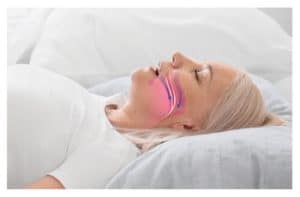 A Common Sleep Disorder with Serious Effects
Sleep apnea may seem harmless at first glance. Many patients dismiss symptoms like loud snoring, frequent awakenings, or daytime sleepiness as minor issues. However, research suggests that untreated sleep apnea can lead to a range of serious medical conditions, including high blood pressure, heart disease, and stroke.
How It Disrupts Sleep
When your breathing stops during sleep, your brain sends signals to wake you up so you can resume breathing. These awakenings are often so brief that you may not remember them. Still, they fragment your sleep and prevent you from reaching the deeper, restorative stages necessary for a truly restful sleep.
Chronic Fatigue: More Than Just Being Tired
Chronic fatigue refers to an ongoing state of extreme tiredness that doesn’t improve with rest. For many, it’s not just about feeling tired; it involves physical fatigue, brain fog, difficulty concentrating, and even muscle pain. Chronic fatigue syndrome (CFS), also known as myalgic encephalomyelitis, is a complex disorder marked by these symptoms and more.
The Hallmark Symptom of CFS
Persistent fatigue that lasts for six months or longer and isn’t due to exertion is a hallmark symptom of chronic fatigue syndrome. Many CFS patients also experience unrefreshing sleep, joint pain, headaches, and irritable bowel syndrome. For those living with CFS, the exhaustion is often so severe it significantly impacts overall health and daily function.
How Sleep Apnea and Chronic Fatigue Are Connected
Although chronic fatigue syndrome and sleep apnea are distinct conditions, the two often overlap. A person suffering from chronic fatigue secondary to sleep apnea may not even realize that their fatigue is rooted in a sleep disorder.
Disrupted Sleep Patterns and Fatigue
The constant sleep disruptions caused by sleep apnea lead to poor sleep quality. Over time, this can result in chronic fatigue. You may sleep for seven or eight hours a night but still wake up feeling drained and unable to function properly throughout the day.
Shared Symptoms and the Complex Relationship
Sleep apnea and chronic fatigue share several common symptoms, such as:
- Extreme tiredness
- Brain fog
- Daytime fatigue
- Sleep disruptions
- Difficulty concentrating
- Poor memory
Because of these shared symptoms, many patients with sleep apnea are misdiagnosed or left undiagnosed, continuing to suffer from fatigue without understanding the cause.
CFS and Sleep Apnea: A Two-Way Street?
Interestingly, many CFS patients also suffer from sleep apnea or other sleep disorders. Some experts believe that disrupted breathing patterns and frequent awakenings contribute to the persistent fatigue in these individuals. While it’s unclear whether one condition causes the other, it’s evident they can be deeply intertwined.
Risk Factors That Link the Two Conditions
Understanding the risk factors for both sleep apnea and chronic fatigue can provide valuable insights into how the conditions may be connected.
Risk Factors for Sleep Apnea
- Excess weight
- Large neck circumference
- Smoking
- Family history
- Nasal congestion
- Use of sedatives or alcohol before bed
Risk Factors for Chronic Fatigue Syndrome
- Viral infections
- Immune system dysfunction
- Hormonal imbalances
- Mental health conditions such as anxiety or depression
- Genetic predisposition
While different, some risk factors, like immune system problems or disrupted sleep, may overlap, making the relationship between the two conditions more complex.
The Role of Continuous Positive Airway Pressure (CPAP)
One of the most effective treatment options for obstructive sleep apnea is continuous positive airway pressure (CPAP). This device helps keep the airways open during sleep, preventing apnea episodes and improving sleep quality.
How CPAP Can Improve Sleep and Reduce Fatigue
By delivering a constant stream of air, CPAP prevents the throat muscles from collapsing. Many patients report a significant difference in their energy levels and overall well-being once they begin using CPAP. With improved breathing and fewer sleep disruptions, patients can experience deeper, more restful sleep and a reduction in chronic fatigue.
When to Seek Professional Help
If you’re struggling with chronic fatigue and suspect poor sleep might be playing a role, it’s important to seek professional help. A sleep study, often conducted in a sleep medicine clinic, can monitor your breathing, sleep patterns, and oxygen levels overnight.
Diagnosing Sleep Apnea
A sleep study can identify how often you stop breathing during the night and help diagnose sleep apnea or other sleep disorders. Once diagnosed, treatment can begin to restore your sleep and energy levels.
Don’t Ignore the Signs
Signs that you might need a sleep study include:
- Loud snoring
- Gasping or choking during sleep
- Frequent awakenings
- Morning headaches
- Difficulty concentrating
- Feeling tired despite a full night’s sleep
These symptoms should not be brushed off, especially if they are significantly impacting your daily life.
Tips to Improve Sleep Quality and Manage Fatigue
Whether you’ve been diagnosed with sleep apnea, chronic fatigue syndrome, or both, improving your sleep quality is key to restoring your energy and well-being.
Helpful Lifestyle Changes
- Maintain a consistent sleep schedule
- Avoid caffeine and alcohol close to bedtime
- Keep your bedroom cool, dark, and quiet
- Use your bed only for sleep, not for watching TV or working
- Practice relaxation techniques before bed
- Engage in light physical activity during the day
Monitor Related Symptoms
Keep a journal of your sleep patterns, energy levels, and related symptoms. This can help healthcare professionals better understand your condition and tailor treatment options that work for you.
Finding Relief and Regaining Control
 Living with chronic fatigue secondary to sleep apnea can be exhausting, but there is hope. With the right diagnosis and support, many patients find relief and begin to regain control over their energy levels, health, and daily activities.
You’re Not Alone
Many people suffer from the effects of poor sleep without realizing a treatable condition like sleep apnea may be at the root of it. By raising awareness and encouraging conversations with healthcare professionals, you can take the first step toward better sleep and a brighter tomorrow.
Final Thoughts
Chronic fatigue and sleep apnea are both complex conditions that can significantly impact your overall well-being. But recognizing the connection between them can make a world of difference. If you’re experiencing persistent fatigue, difficulty concentrating, or waking up feeling unrefreshed, it may be time to consider a sleep study and explore your treatment options.
Your path to better sleep, improved cognitive function, and renewed energy may just begin with a single conversation with a sleep specialist.
References:
https://www.mayoclinic.org/diseases-conditions/sleep-apnea/symptoms-causes/syc-20377631
https://www.sciencedirect.com/science/article/pii/S2173580818300038
https://pubmed.ncbi.nlm.nih.gov/8148456/
https://www.sleepfoundation.org/chronic-fatigue-syndrome/symptoms